
Understanding Autoimmune Flares: Supporting the Body Through Inflammation and Recovery
Living with an autoimmune condition can mean experiencing periods when symptoms suddenly become more intense. These periods, commonly referred to as flares, can affect everything from energy, pain, cognition, digestion, and sleep to mood and overall quality of life. While every autoimmune condition is different, many people find that understanding their individual triggers and building the right support system can make a meaningful difference in how they navigate these periods of increased symptoms. At Brain Harmony, we believe that supporting the body means looking beyond a single symptom and considering the many systems that work together to influence overall health and function.

What Can Contribute to an Autoimmune Flare?
Autoimmune flares can have many potential triggers, and what contributes to increased symptoms can look very different from person to person. Stress, illness, disrupted sleep, nutritional deficiencies, environmental factors, hormonal changes, certain foods, and changes in daily routines may all play a role. Sometimes a flare may have an obvious trigger, while other times symptoms can seem to increase without a clear explanation. It can also be difficult to identify a single cause because several factors may be happening at the same time. For example, poor sleep may increase stress, stress may affect the body’s ability to recover, and changes in appetite or digestion may make it more difficult to maintain regular nutrition.
This is why individualized care matters. Instead of assuming there is one universal solution for managing autoimmune symptoms, it can be helpful to look at the bigger picture and pay attention to patterns over time. Working with qualified healthcare professionals can provide support in identifying potential triggers, evaluating underlying factors, and determining which areas may need additional attention. Keeping track of changes in symptoms, sleep, stress, nutrition, activity, and other aspects of daily life may also help provide useful information when discussing flares with your care team.
It is important to remember that identifying triggers is not always a quick or straightforward process. What helps one person may not have the same effect for someone else, and the strategies that feel appropriate during a period of increased inflammation may need to change as the body begins to recover. Rather than pushing through every symptom or trying to make several changes at once, individualized support can help create a more responsive approach—one that recognizes when the body may need to pull back, when it may be ready for more, and how to gradually move between those levels.
Supporting the Body at the Cellular Level
For individuals with autoimmune conditions, working with a functional medicine physician or another appropriately qualified medical professional may provide an additional perspective on the many factors that can influence inflammation and overall health. Depending on the individual and their symptoms, a healthcare provider may consider areas such as nutritional status, gastrointestinal health, immune function, metabolic health, sleep, stress, and other factors that may be relevant to the person’s overall health picture. Looking at these areas together can help create a more complete understanding of what may be happening rather than focusing on one symptom in isolation.
The goal is not simply to manage symptoms when a flare occurs, but to better understand the factors that may be contributing to an individual's overall inflammatory burden and patterns of symptom changes over time. This may involve reviewing health history, identifying patterns, evaluating potential contributing factors, and determining where additional support may be appropriate. Because autoimmune conditions can vary so significantly from person to person, this process should be individualized and guided by qualified healthcare professionals rather than relying on a one-size-fits-all approach. In some cases, understanding the bigger picture can also help individuals recognize when their bodies may need more support, rest, or a temporary reduction in demands before gradually returning to their usual level of activity.

Gut Health and the Immune System
The gastrointestinal tract plays an important role in immune function and is closely connected to many other systems throughout the body. Maintaining a healthy intestinal barrier and supporting a balanced gut environment may therefore be an important part of overall health, particularly for individuals managing chronic or autoimmune conditions. Digestive health can also influence areas such as nutrient absorption, energy, and how the body responds to different foods and other environmental factors.
For some individuals, supporting gastrointestinal health may involve looking at dietary patterns, nutritional status, food sensitivities, or other factors that could be contributing to digestive symptoms. Others may explore nutritional supplements as part of their approach to gastrointestinal and immune support. These strategies should be individualized rather than viewed as a universal solution, since nutritional needs and responses can vary significantly from person to person. Supplements should be selected with guidance from a qualified healthcare professional, particularly for individuals who take medications, have existing medical conditions, or are managing complex health concerns.
Taking a broader look at gastrointestinal health can be one piece of understanding the factors that may influence overall well-being. Rather than focusing on a single food, supplement, or symptom, working with a qualified professional can help determine which areas may be appropriate to evaluate and how they fit into the individual's larger health picture.
For additional information about gut health and gastrointestinal support, resources are available through Healthy Gut.

Nutrition and Inflammation
Diet is another area that many people with autoimmune conditions choose to explore, particularly when they notice that certain foods or eating patterns seem to affect their symptoms. There is no single “autoimmune diet” that works for everyone, and nutritional needs can vary significantly depending on the individual, their condition, medications, lifestyle, and overall health. However, some people report feeling better when they focus on nutrient-dense, minimally processed foods and pay attention to foods that may appear to worsen their individual symptoms.
Rather than making significant dietary changes based on general recommendations alone, it can be helpful to approach nutrition as an opportunity to learn more about your own body. A simple food and symptom journal may help identify patterns over time by tracking meals alongside symptoms, energy levels, digestion, sleep, or other changes. These observations can then provide useful information to discuss with a qualified healthcare professional, especially if you are considering eliminating major food groups or making substantial changes to your diet.
It is also important to remember that nutrition does not have to be perfect to be supportive. Food is only one piece of the larger picture, and becoming overly restrictive or anxious about what you eat may create additional stress. The goal is not to follow a perfect diet or eliminate every possible trigger. Instead, it is about developing a sustainable understanding of what supports your body, what may contribute to changes in symptoms, and what allows you to feel your best while still enjoying a balanced and realistic approach to food.

Sun Exposure and Lupus
For people living with lupus, sun exposure can be an important consideration because ultraviolet (UV) light may trigger or worsen symptoms for some individuals. Photosensitivity is common in lupus, and for those who are sensitive to sunlight, spending extended periods in direct sun may contribute to increased skin symptoms or, in some cases, broader disease activity. Because everyone's sensitivity and health needs are different, it is important to understand how your own body responds to UV exposure and discuss any concerns with your healthcare provider.
If you have lupus or experience photosensitivity, your healthcare provider can help you determine appropriate strategies for protecting yourself from the sun and limiting UV exposure, particularly during times when sunlight is strongest. Depending on your individual needs, this may include seeking shade, wearing protective clothing, using sunscreen, wearing a hat or sunglasses, and avoiding prolonged periods of direct sunlight. Planning outdoor activities around lower-UV times of day can also be one practical way to reduce exposure while still allowing you to enjoy time outside.
Sun protection does not necessarily mean avoiding the outdoors altogether. Instead, the goal is to find a balance that allows you to participate in the activities you enjoy while taking appropriate precautions for your individual health needs. If you notice that your symptoms consistently change after sun exposure, keeping track of those patterns and discussing them with your healthcare provider may help you develop a more personalized approach to managing your condition.

Vitamin D and Nutritional Support
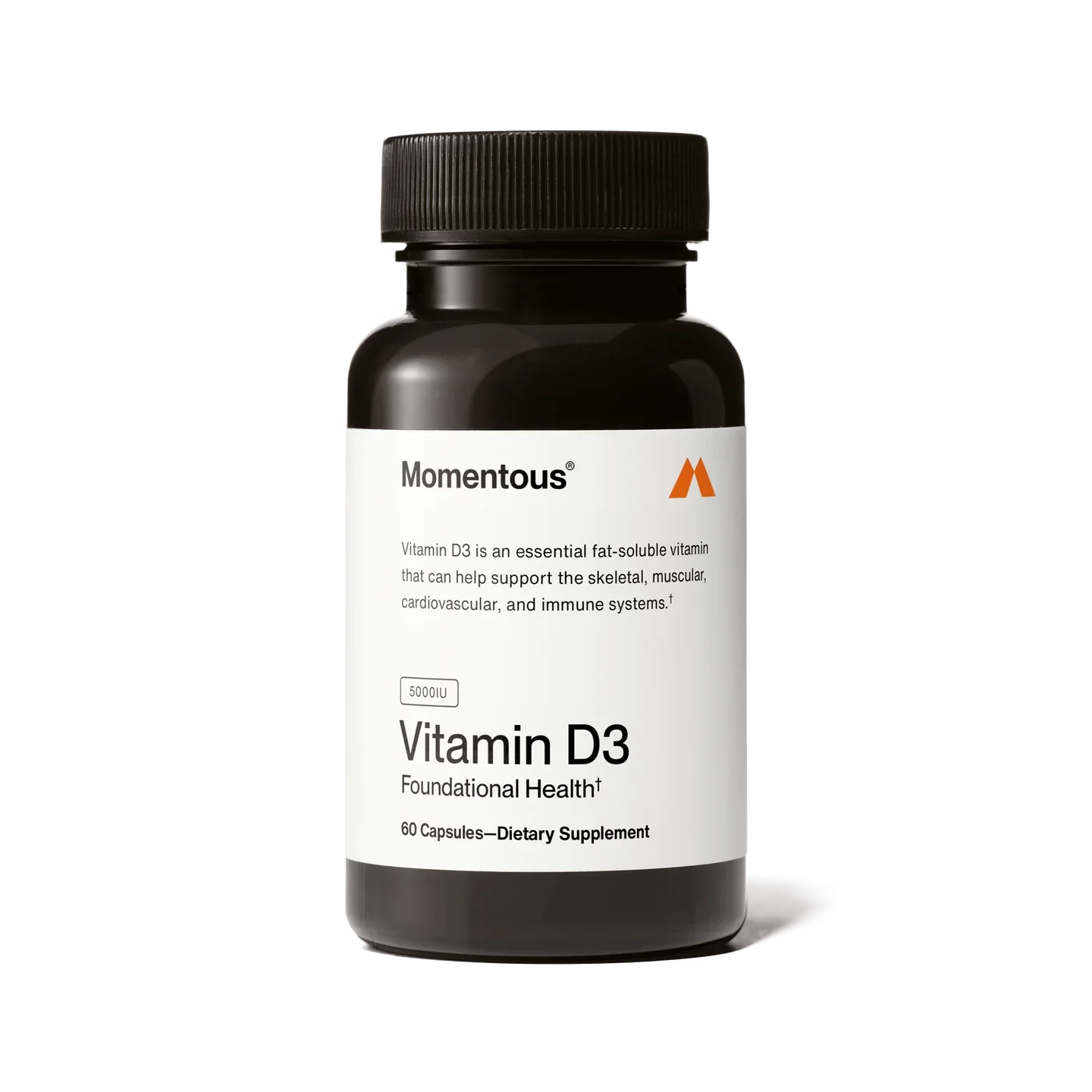
Vitamin D plays an important role in several areas of health, including immune function and bone health, and vitamin D status can be evaluated through a blood test. Because vitamin D levels can vary from person to person, particularly depending on factors such as diet, sun exposure, medications, and overall health, testing may provide a clearer picture of whether supplementation is appropriate. If you have an autoimmune condition, it may be worth discussing vitamin D testing with your healthcare provider and determining whether it is relevant to your individual health needs.
If supplementation is recommended, the appropriate form and dose should be determined based on your individual circumstances and, when appropriate, follow-up testing. More is not necessarily better, and taking high doses of supplements without medical guidance can carry its own risks. A healthcare professional can help determine whether supplementation is needed and how it may fit into your broader approach to nutrition and health.
Some individuals also explore additional nutritional or hydration support during periods of increased symptoms or when they are having difficulty maintaining adequate nutrition and fluid intake. Options such as IV fluids or vitamin infusions are medical treatments rather than general wellness strategies and should only be considered with an appropriately qualified healthcare professional. A medical provider can evaluate your symptoms, health history, medications, and current needs to determine whether this type of treatment is medically appropriate. The goal is to provide the body with the support it actually needs while avoiding unnecessary treatments or supplementation.
What About LDN?
Low-dose naltrexone (LDN) is another option that some people with chronic or autoimmune-related symptoms choose to discuss with their healthcare providers. Naltrexone is an established medication that is used at standard doses for specific medical purposes, while low-dose naltrexone refers to the use of much smaller doses for conditions and symptoms that are still being studied. Some individuals explore LDN as part of a broader approach to managing chronic symptoms, particularly when they are looking for additional options to discuss with their care team.
Research into LDN is ongoing, and the available evidence varies depending on the condition being treated. While some studies and patient experiences suggest potential benefits for certain symptoms, LDN is not appropriate for everyone and should not be viewed as a universal treatment for autoimmune conditions. As with any medication, individual health history, current medications, and potential interactions are important considerations.
If you are interested in learning more about LDN, discuss the potential benefits, risks, medication interactions, and current evidence with a physician who is familiar with your medical history. A qualified healthcare professional can help determine whether it is an appropriate option to consider and how it may fit within your existing treatment plan. As with any approach to managing chronic or autoimmune-related symptoms, the goal is to make informed decisions based on your individual needs rather than assuming that one treatment will work for everyone.

Dancing With the Nervous System
Sometimes we call it a dance. When the body is inflamed or experiencing a flare, it may not be the time to keep pushing toward the next level. Sometimes the most productive thing we can do is pull back.
That might mean reducing demands, adjusting activities, allowing more recovery time, or temporarily stepping away from something that is putting additional stress on the system.
Then, as the body settles and you are ready, you can begin moving back in.
Pull back. Recover. Reassess. Move forward.
This is what we mean by dancing with the nervous system.
The goal isn't to stay in a constant state of caution or to avoid challenge altogether. The goal is to recognize that the body has different capacities at different times.
When inflammation or symptoms increase, we may need to meet the body where it is. When capacity returns, we can gradually introduce the next level of challenge.
This approach can apply to therapy, exercise, work, sensory demands, social activities, and everyday life.Sometimes progress looks like pushing forward. Sometimes progress looks like knowing when to pause.
Learning that distinction can be an important part of working with your body's signals.

Building Your Own Flare Plan
Instead of waiting until a flare becomes overwhelming, consider creating a personal plan with your healthcare team.
Your plan might include:
Knowing your common flare triggers
Keeping track of symptoms and patterns
Prioritizing consistent sleep and recovery
Discussing appropriate nutritional testing with your provider
Identifying foods that may worsen your individual symptoms
Having a plan for sun protection if you are photosensitive
Reviewing medications and supplements with your medical team
Knowing when symptoms require medical attention
Adjusting physical, cognitive, and sensory demands during periods of increased symptoms
Gradually returning to activities as your capacity improves
Building supportive routines that are realistic during periods of lower energy
The most useful plan is one you can actually follow when you're not feeling your best.
Your Care Team Matters
One of the most important parts of navigating an autoimmune condition is building a care team that listens to you and understands the complexity of your symptoms.
That may include your primary care provider, specialist, registered dietitian, functional medicine practitioner, therapist, or other healthcare professionals depending on your individual needs.
You can also learn from the experiences of other people living with autoimmune conditions. Clients and members of communities around the world often develop practical strategies that help them navigate work, exercise, nutrition, travel, stress, and everyday life during periods of increased symptoms.
But personal experiences are not a substitute for medical care. What helps one person may not be appropriate for another.
You Don't Have to Navigate It Alone
Autoimmune conditions can affect much more than the body system where symptoms first appear. They can influence energy, concentration, daily routines, relationships, work, and the ability to participate in the things you enjoy.
Understanding your patterns, working with the right professionals, and learning to dance with your nervous system can help you become more responsive to what your body needs—knowing when to pull back and when you are ready to move forward again.
At Brain Harmony, we believe that meaningful support begins with understanding the whole person and the many systems that contribute to how they function every day.
Your symptoms are worth investigating. Your experience is worth listening to. And your care should be individualized to you.
https://docsoutsidethebox.com