A Client's Neurological Recovery: Addressing Chronic Lyme Disease and Mold Toxicity Through Targeted Nervous System Regulation
A lovely client of Brain Harmony has given us permission to share with you a complex story of progressive neurological symptoms that began subtly during light physical activity but escalated over time. We wanted to share their story because, like you, they needed someone to support them, they needed someone to help them.
Initial triggers included muscle tremors and internal vibrations during simple upper-body exercises, which persisted beyond exertion and spread to the extremities. Over months, symptoms intensified to include:
Severe, persistent anxiety with heightened fight-or-flight responses and panic.
Burning, tingling and numbness in the arms and feet
Tremors and internal vibrations
Recurring episodes of lightheadedness, dizziness, and spinning sensations
Profound bone-deep fatigue, dizziness, and cognitive fog following minimal activity (e.g., 10-15 minutes of light movement)
Racing thoughts, derealization, and an overwhelming sense of mental instability or "losing grip on reality"
Standard medical evaluations initially misdiagnosed their clients' conditions, time, and time again for our client. Which is common but cam add frustration to an already debilitating journey. Standard medical evaluations kept pointing to the "usual suspects": primary anxiety disorders, physical deconditioning from lack of activity, or even poor posture from desk work. As time went on, their severe anxiety only deepened; their nerve pain and tingling in their arms and feet worsened. The lightheadedness and near-fainting spells continued to come in waves, and every small effort they gave still triggered crushing fatigue and brain fog. Nothing addressed the root chaos until they found Brain Harmony.
Brain Harmony’s evaluation revealed chronic Lyme as a primary driver of neurological inflammation and hypersensitivity, compounded by mold mycotoxins that amplify systemic effects. This combination often results in:
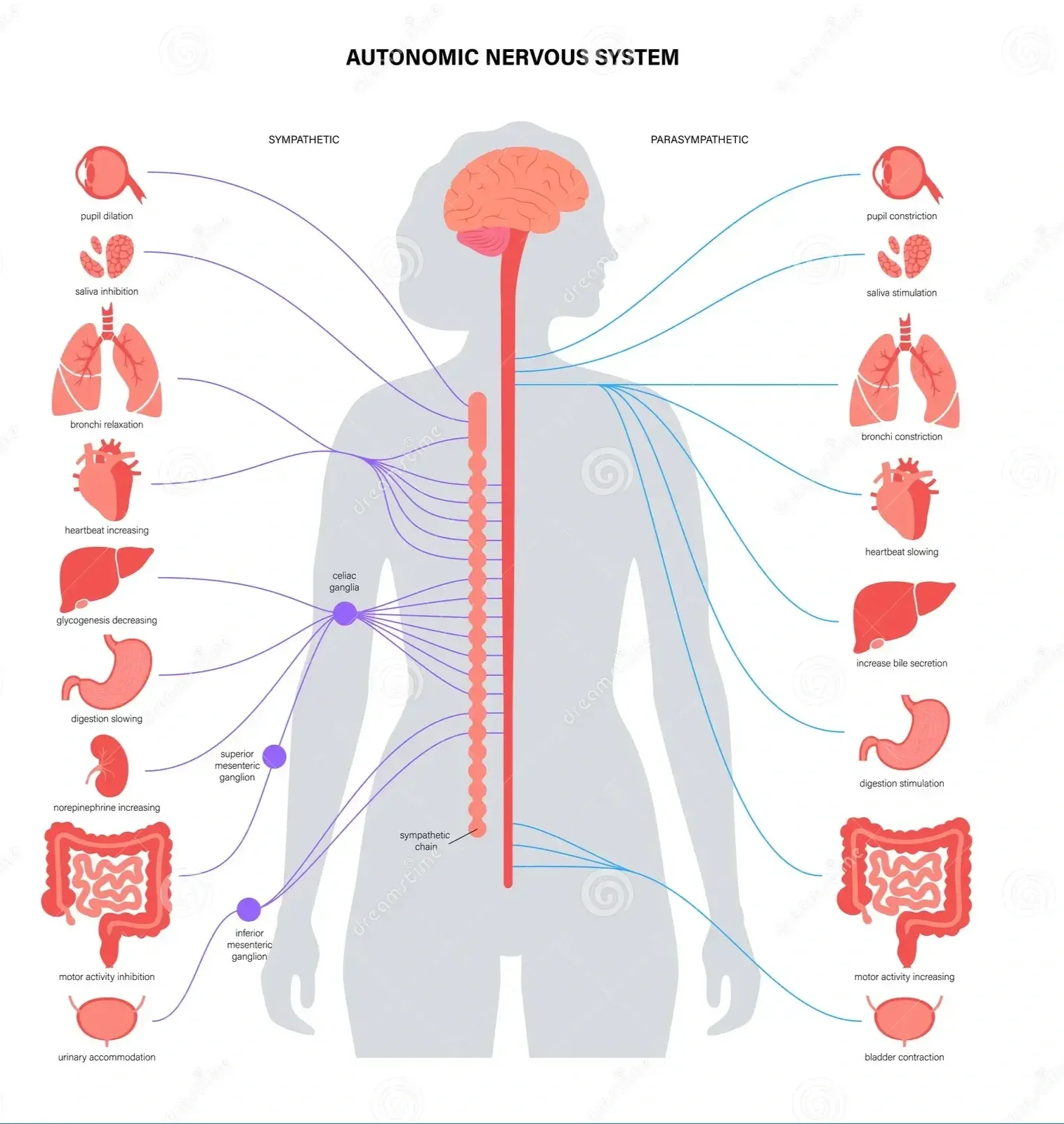
Sympathetic overdrive and vagus nerve dysfunction
Impaired energy metabolism and recovery
Heightened sensory processing leading to tremors, paresthesia, and autonomic instability
So why is Brain Harmon the only one finding out this information? Why did their client get misdiagnosed? Have you ever wondered why Lyme disease earned the nickname "the great imitator.”
Well, it's because Lyme disease overlaps with so many other common conditions. Lyme disease flies under the radar and/or gets misdiagnosed because its symptoms are incredibly sneaky. Lyme disease involves the Borrelia bacteria invading or inflaming the nervous system, leading to neuroinflammation, autonomic dysfunction (dysautonomia), small-fiber neuropathy, and limbic system hypersensitivity. This directly causes psychiatric-like symptoms (e.g., intense anxiety, panic, derealization), sensory disturbances (tingling, burning pain), tremors/vibrations, dizziness/lightheadedness, and post-exertional crashes—often mimicking primary mental health issues or deconditioning.
Mold toxicity from mycotoxins crosses into the brain, triggering immune activation, mitochondrial damage, oxidative stress, and further neuroinflammation. It commonly results in autonomic dysregulation (e.g., POTS-like symptoms causing lightheadedness), heightened anxiety/depression, brain fog, internal buzzing, and hypersensitivity that amplifies neurological chaos—especially when Lyme and mold overlap, creating a synergistic inflammatory storm.
The bacteria (Borrelia burgdorferi) hide well in tissues, and antibodies resulting in not showing up right away. Again, Lyme symptoms are incredibly sneaky. Routine labs and imaging often look normal, so doctors default to more familiar diagnoses. But that was the difference between care with Brain Harmony & with Standard medical evaluations.
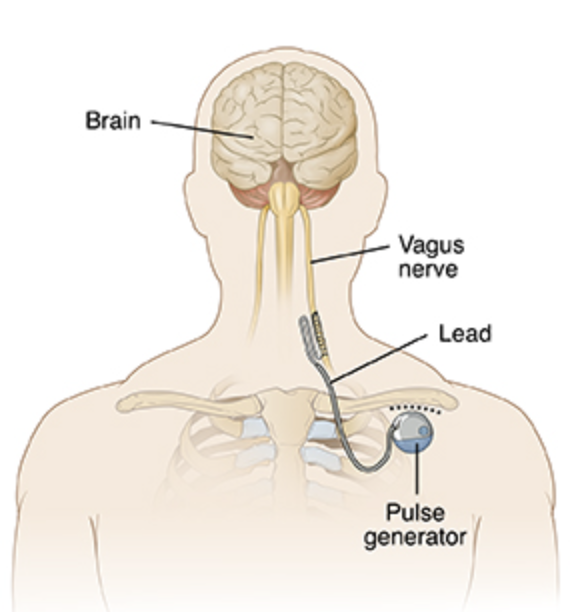
Standard care involves antibiotics like doxycycline or amoxicillin. What made Brain Harmony so unique for this client was their focus on the neurological side. They rewired their client's brain alarm system through vagus nerve regulation, autonomic resets, and neuroplasticity protocols to calm the over-firing. That is what kept their client’s symptoms like anxiety, pain, fog, and dizziness going strong, even after antibiotics. For ongoing issues despite clearing the infection, or post-treatment Lyme syndrome (PTLDS), Brain Harmony used non-invasive, brain-based strategies to help restore the clients' balance where traditional meds fall short.
Treatment at Brain Harmony focused on non-invasive, personalized nervous system recalibration rather than solely antimicrobial or detox approaches. Key elements included:
Brain rewiring techniques to address limbic and autonomic dysregulation
Targeted protocols for vagus nerve stimulation and regulation to shift from chronic sympathetic dominance toward parasympathetic balance
Autonomic nervous system reset strategies to reduce hypersensitivity and improve resilience to exertion
Gradual integration of low-demand activities (e.g., paced walking, diaphragmatic breathing, restorative practices) to rebuild stability without triggering crashes

The approach emphasized layer-by-layer regulation, prioritizing nervous system calming before aggressive physical rebuilding. Following consistent engagement with the protocols Brain Harmony's’ client showed
Severe reduced anxiety, evolving from constant panic to occasional, manageable episodes
Neuropathic pain and tingling resolved substantially, with restored sensation and reduced burning/electric sensations
Near-syncopal events ceased entirely
Post-exertional malaise diminished; the client now tolerates light daily activities with rapid recovery and minimal fog
Cognitive clarity returned, eliminating derealization and the sense of mental unraveling
Overall internal vibrations/tremors faded, allowing a return to stable, grounded functioning
The client reports a profound shift from feeling "trapped in chaos" to regaining autonomic control, emotional resilience, and quality of life. This progress highlights the efficacy of addressing upstream neurological drivers in complex, stealth-infection-related cases.
If doctors have told you it’s “just anxiety,” “you’re out of shape,” or “fix your posture” and the symptoms keep escalating, you’re not alone—and it may not be “just” those things. Advocating for deeper investigation into Lyme, mold, or other stealth factors, alongside nervous system recalibration, can make all the difference.
You can complete the neurological quiz and book a consult with Carol Garner-Houston, OTR/L of Brain Harmony at www.brainharmony.com/consult.
Shared anonymously with permission.